



|
Replacement of full upper or lower jaw |
|
The conventional method of replacing all the teeth in a jaw is
with a complete denture. If the jaw bone does not provide
sufficient support, sometimes surgical procedures can be
done to improve support and retention for the complete
denture. These surgical procedures can include moving the
position of muscle attachments or placing bone grafts.
A complete denture rests on the gums. In the upper jaw it also
rests on the roof of the mouth. In addition to chewing
forces being spread over a larger area, forces that might
tend to dislodge the denture are offset by a suction which
forms between it and the roof of the mouth. this suction
helps to keep the denture in place. Most people are able to
adapt reasonably well to an upper complete denture. However,
a lower complete denture is considerably more difficult to
wear. The forces are applied over a smaller area and due to
the movements of the tongue a suction usually can not be
developed.
The constant pressure on the gums under the dentures can cause
slow changes in the underlying bone which result in the
dentures losing their fit. For this reason complete dentures
should be professionally examined at regular intervals, and
when the tissues show sufficient change, the dentures should
be relined, rebased, or remade, depending on the specific
conditions. When improperly fitted dentures continue to be
worn, the pressure may result in excessive bone loss.
Eventually, so much bone loss can occur that a well fitting
complete denture can not longer be made. Under these
circumstances, implants may be the treatment of choice.
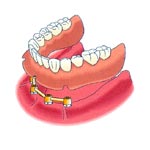
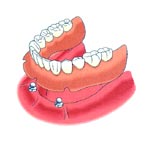
Implants May be placed at selected sites to help retain a denture.
The implants can be connected by a bar or left standing
slong to give the denture the added retention required. In
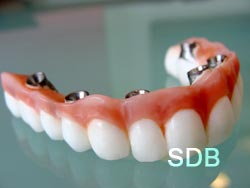
selected cases it may also be possible to attach a permanent
bridge to these implants. |

Dental Implant + Bar attachment + Overdenture

Dental Implant + Ball + Overdenture |
|
|
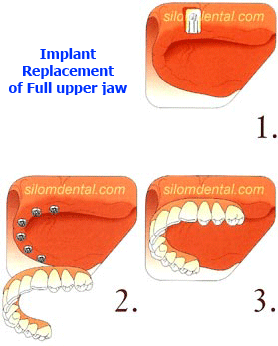
The treatment Steps |
|
1.
The first step is the placement of the titanium implants
to replace lost teeth. These
implants will remain covered underneath the gum for
approximately 3 to 6 months. During this time, the implant
should fuse to the bone.
2. The second step of procedure involves uncovering the
implant and attaching a post to each implant. This completes the foundation
on which your teeth will be placed. In some instances,
the implant dentist may decide to place the posts at the time
of surgery.
3. The final step is the placement of your new teeth by your
dentist. With techniques that ensure optimal size, shape,
color and fit, your replacement teeth should blend with your
facial characteristics while providing support needed for
natural appearance. |
 |
|
|
Removable Option |
|
1.
The first step is the placement of the titanium implants
to replace lost teeth. These
implants will remain covered underneath the gum for
approximately 3 to 6 months. During this time, the implant
should fuse to the bone.
2. The second step of procedure involves uncovering the
implant and attaching a post to each implant. This completes the foundation
on which your teeth will be placed. In some instances,
the implant dentist may decide to place the posts at the time
of surgery.
3. The final step is the placement of your new teeth by your
dentist. With techniques that ensure optimal size, shape,
color and fit, your replacement teeth should blend with your
facial characteristics while providing support needed for
natural appearance. |
 |
|
|
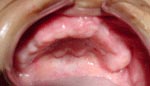
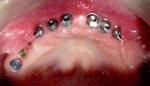
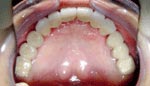
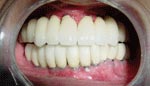
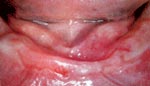
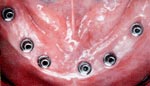
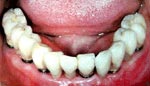
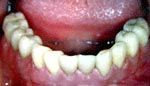
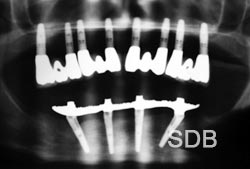
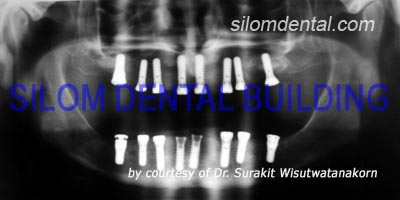
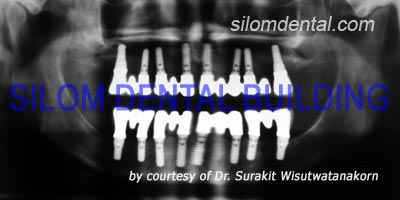
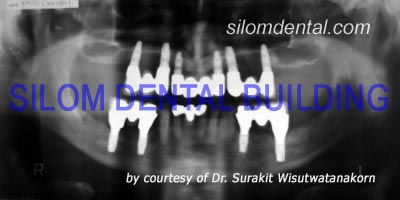
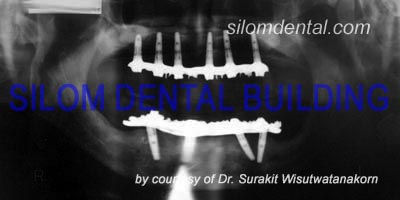
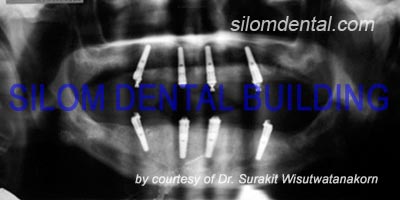
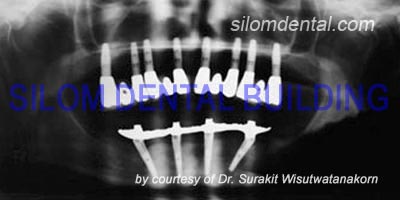
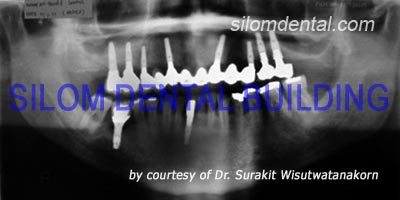
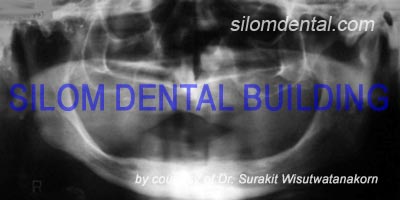
Before and After treatment |
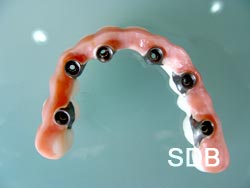
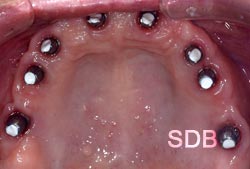
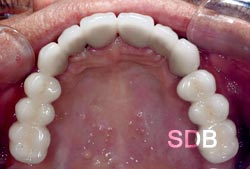
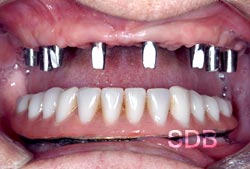
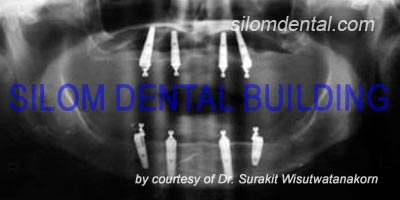
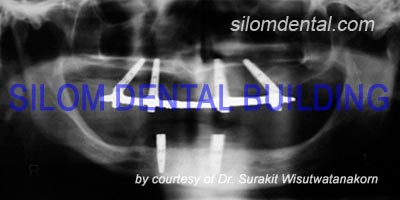
Before Dental Implant replacement


After Dental Implant replacement
|
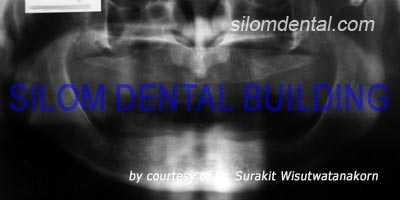
Before Dental Implant replacement


After Dental Implant replacement
|
|
|
upper sinus elevation & bone graft 8 upper/ 8 lower implants 12 units bridge supported implant


Lower right/left nerve reposition 6 upper implants + 10 units bridge 4 lower implants support bridge
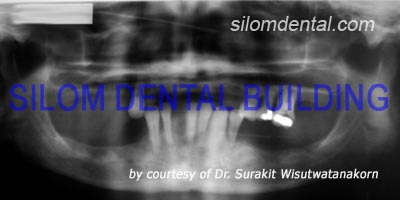

Upper All-on-6 & Lower All-on-4 Implants
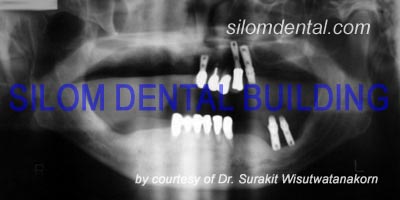

Upper/Lower all on 4 immediate implant placement after teeth extraction
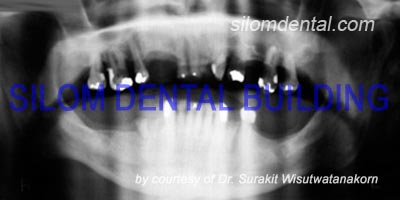

upper 8 implants support bridge lower All-on-4 Implants
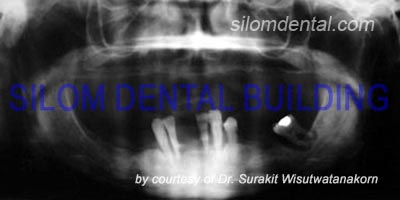

8 upper implants support bridge 2 lower implants + single crown
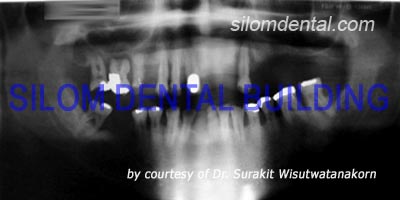

Uper/Lower All-on-4 Implants
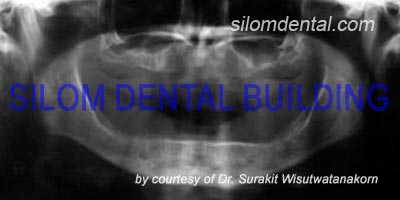

Upper All-on-4 Implants

|